Every day a hotel sits unopened is a day of lost room revenue, and general contractors building in North Carolina, South Carolina, and Virginia know that math better than anyone. Structural steel is often the single biggest lever for compressing a hospitality project schedule, and the way that steel is fabricated and erected can make the difference between a punch list closed on time and a soft-opening date pushed by weeks. In this article, we break down how pre-erected steel components change the pace of hotel construction, what engineering considerations developers should weigh before the first beam ships, and where fabrication partners fit into the sequencing conversation.
Why Hospitality Construction Timelines Are Under More Pressure Than Ever
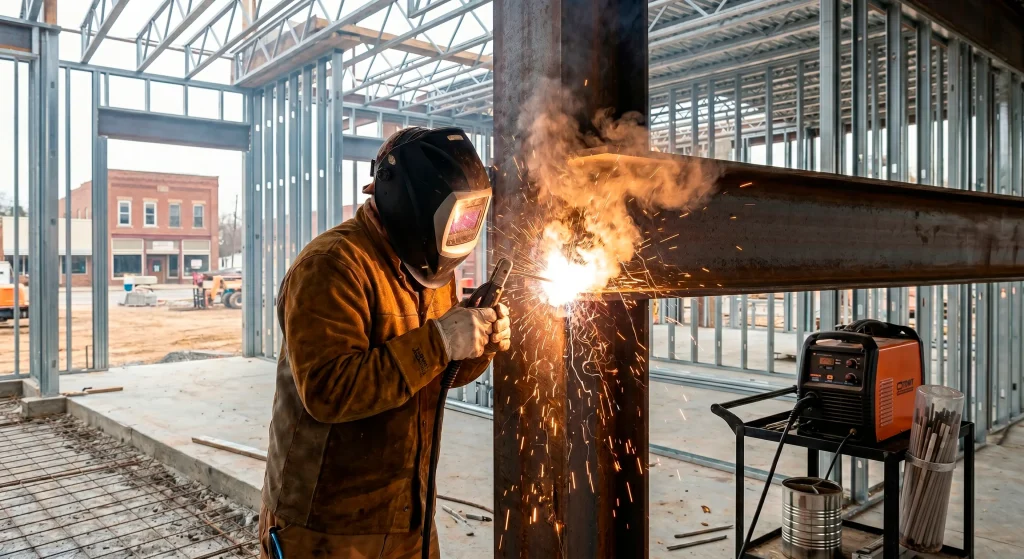
Hotel developers are compressing schedules because every week of delay directly erodes projected revenue, financing terms, and brand-flag deadlines tied to the project’s opening date. Labor availability across the Southeast has tightened, interest carrying costs have climbed, and franchise agreements frequently include hard deadlines for opening. That combination pushes owners and general contractors to look for structural systems that remove variables from the field schedule rather than add to them.
The Real Cost of Delayed Hotel Openings
A missed opening date rarely stays contained to a single line item. Franchise penalty clauses, extended construction loan interest, and lost seasonal booking windows (particularly around Hampton Roads, Charlotte, and Raleigh-Durham’s convention calendars) compound quickly. When we talk with developers, the conversation almost always circles back to one question: how much of the structural sequence can be pulled off the critical path and moved into a controlled shop environment before it ever touches the site?
Where Pre-Erected Steel Fits Into the Schedule
Pre-erected steel components — framing assemblies, stair towers, and railing systems fabricated and partially assembled off-site — allow crews to skip several field-dependent steps. Instead of waiting on weather windows, crane availability, and sequential trade coordination for every connection, a significant portion of that work happens in a controlled shop setting on a fixed timeline. That is precisely the kind of structural steel requirement planning that needs to happen before design development closes, not after steel is already being ordered.
What Makes Pre-Erected Steel Components Different From Traditional Field Erection
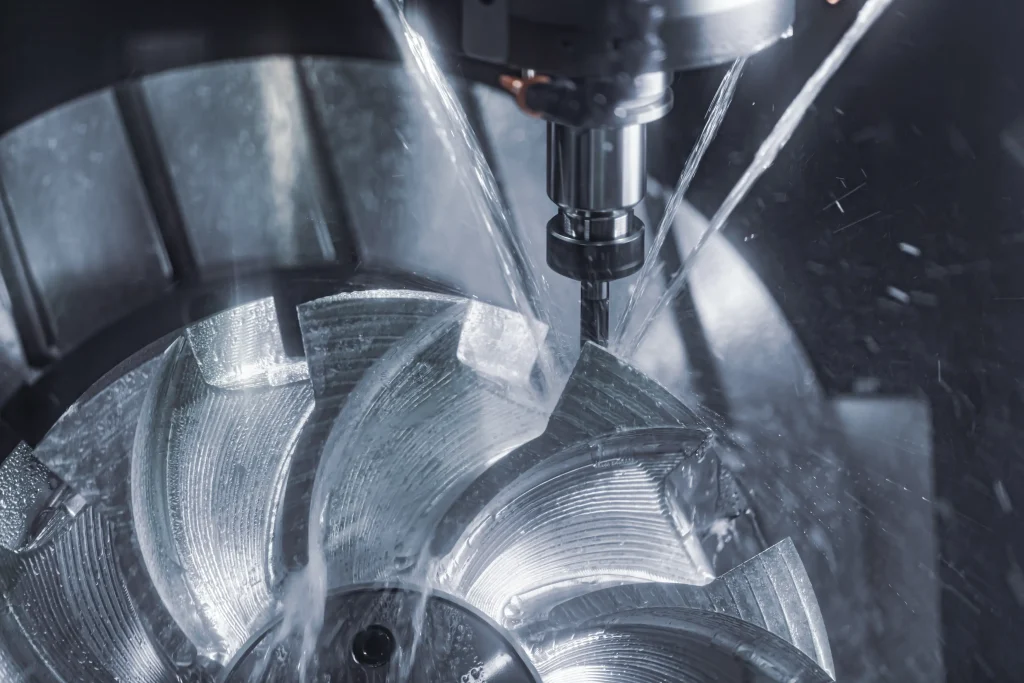
Pre-erected steel components are fabricated and partially or fully assembled in a shop, then delivered to the site as ready-to-set units rather than as individual pieces requiring full field assembly. This shifts labor-intensive connection work away from the jobsite and into a repeatable, quality-controlled process.
Off-Site Fabrication vs. On-Site Assembly
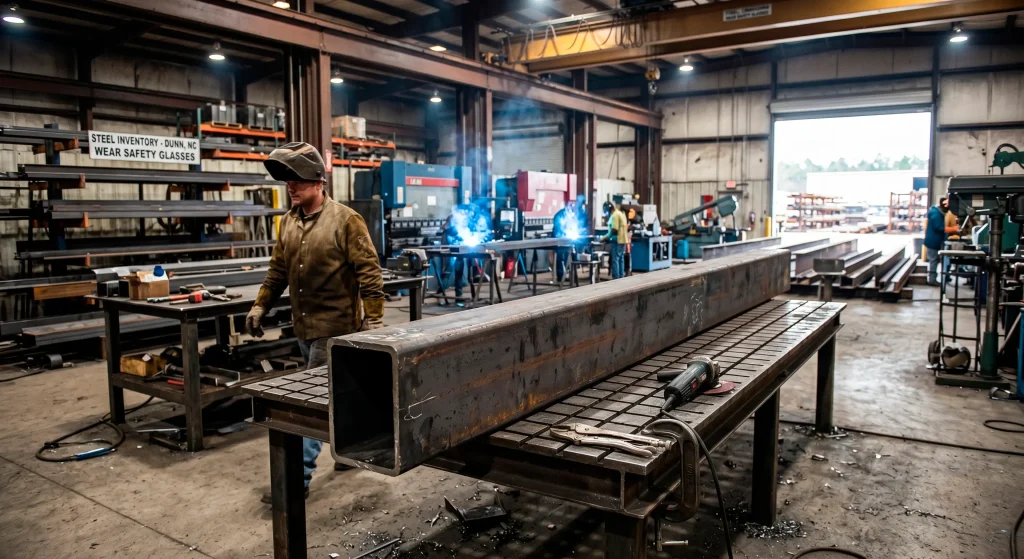
Traditional field erection requires steel to arrive as discrete members — columns, beams, and clips — that ironworkers connect piece by piece under jobsite conditions. Shops delivering pre-fabricated structural steel components — CNC-cut, certified-welded, and quality-inspected before shipping — remove the field uncertainty that slows traditional erection sequences. Pre-erected assemblies, by contrast, bundle connections, bracing, and even secondary framing into larger units before they ever leave the shop floor. For a multi-story hotel podium, that can mean entire bay sections arrive ready to be set and bolted, cutting crane cycles and reducing the number of trade handoffs happening simultaneously on an active site.
Quality Control Advantages of Shop Fabrication
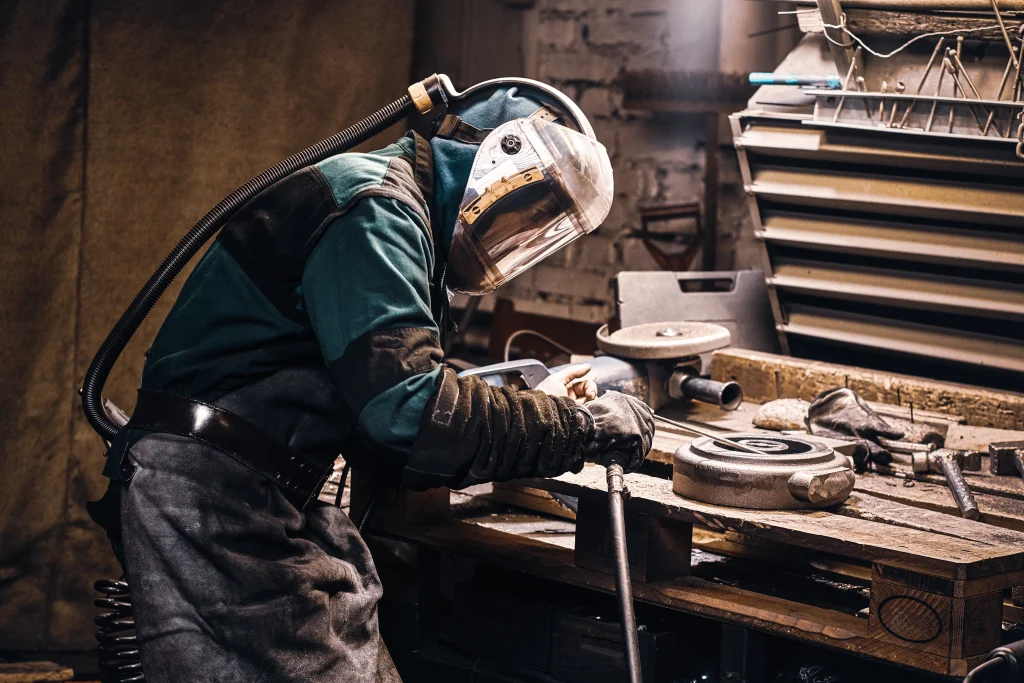
Shop conditions allow for tighter tolerances, consistent weld quality, and inspection before steel ever ships. Our team follows documented steel fabrication best practices at every stage, which means connections are verified under controlled lighting, temperature, and equipment access rather than in variable field conditions. That upfront rigor translates into fewer field corrections, and fewer field corrections mean fewer days added back to the schedule.
Engineering Considerations for Hotel Steel Structures
Hotel structures carry a distinct engineering profile compared to warehouses or office buildings, driven by repetitive guestroom framing, heavier mechanical and amenity loads, and strict life-safety requirements. Getting these considerations right early prevents costly redesign once fabrication is underway.
Load Paths, Podium Decks, and Mechanical Loads
Hospitality projects frequently combine a heavier podium level — housing lobbies, ballrooms, pools, and back-of-house mechanical rooms — with lighter, repetitive guestroom floors above. That transition point demands careful load-path planning, and it’s exactly the kind of scenario where heavy-duty structural design and fabrication expertise matters most. Misjudging the transfer framing at the podium level is one of the more common sources of late-stage redesign on hotel projects we’ve supported across the Carolinas and Virginia.
Meeting IBC and Local Code Requirements
Hospitality occupancy classifications bring specific code requirements around egress, fire rating, and occupant loads that differ from other commercial building types. Structural documentation has to align with those requirements from the outset, which is why our estimating and detailing process is built around current IBC code compliance standards for commercial construction. Coordinating structural submittals against code review comments before fabrication begins avoids the kind of rework that turns a two-week float into a missed milestone.
Coordinating With Architects and General Contractors
Pre-erected steel only accelerates a schedule if the fabrication sequence is coordinated with architectural design freezes and the GC’s overall site logistics plan. We work directly with design teams during shop drawing review so that connection details, embed locations, and dimensional tolerances are locked in before steel enters production — reducing the back-and-forth that typically eats into lead time.
Beyond the Frame: Railings, Stairs, and Life-Safety Components
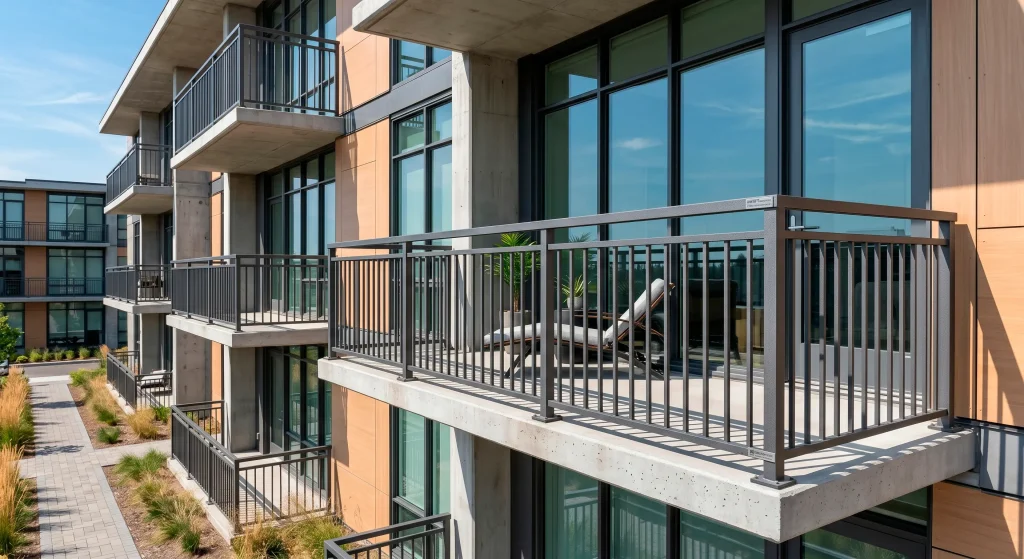
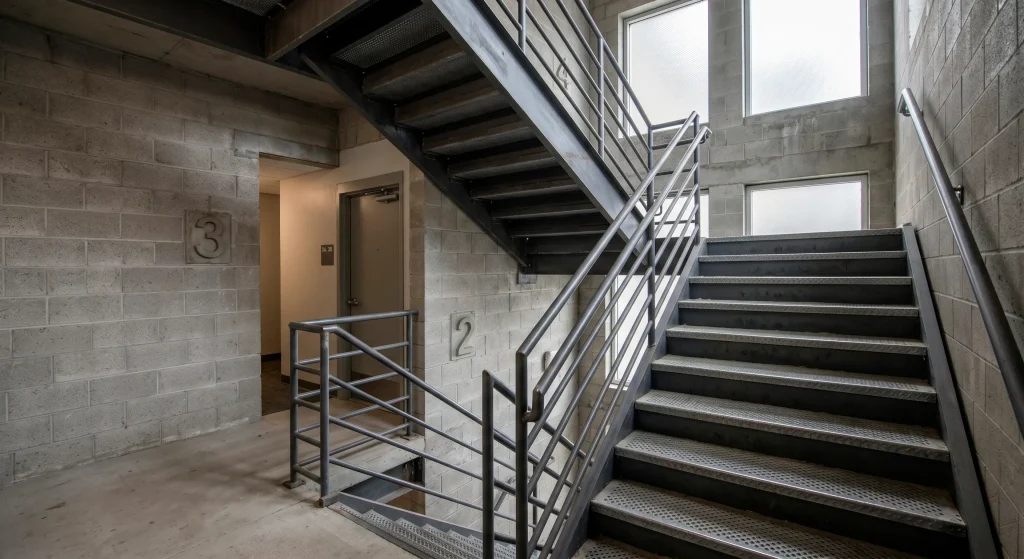
Guest-facing stairs, railings, and egress components carry both structural and life-safety requirements, making them well suited to shop fabrication where tolerances and finish quality can be tightly controlled. These elements are often underestimated in schedule planning, yet they sit directly on the path to a certificate of occupancy.
Prefabricated Stair and Railing Systems
Guest corridors, pool decks, and public stair towers all require railing systems that meet both structural load requirements and aesthetic standards set by the brand flag. Our shop-built custom commercial steel railings arrive dimensionally verified and ready to install, which removes a common bottleneck: field-measuring and field-fitting railings after finishes are already going in around them.
Life Safety Compliance for Guest and Staff Areas
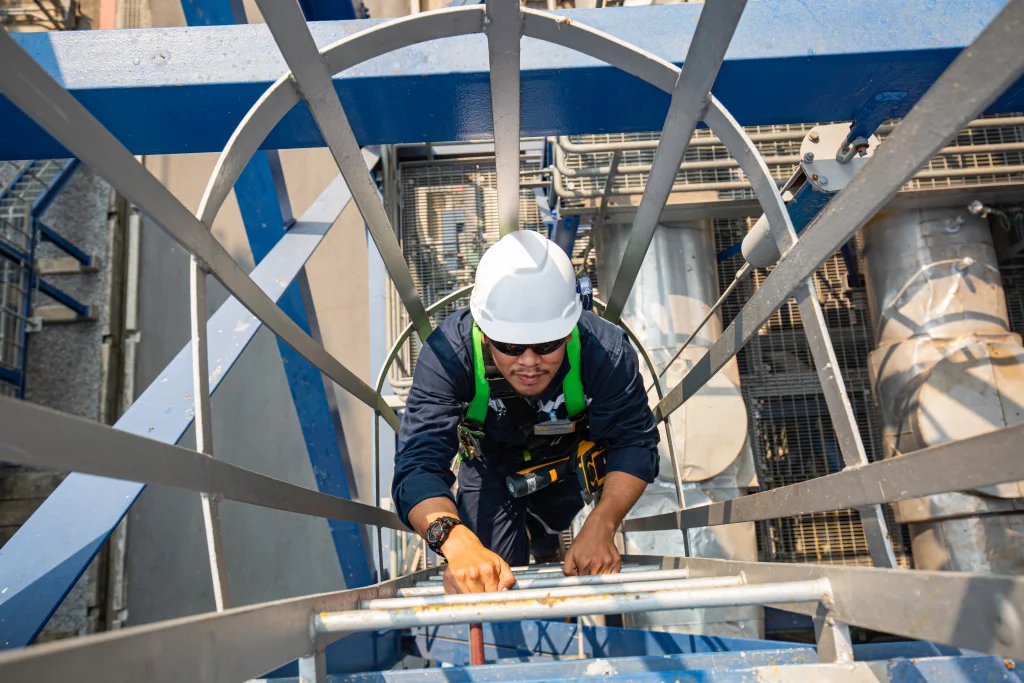
Egress stairs and railings in hospitality settings are inspected closely, both for structural integrity and for compliance with accessibility and fire-code provisions. Building these components under shop-controlled conditions gives project teams a documented, repeatable quality record heading into final inspections — one less variable during a phase of the project when schedules are typically already tight.
How Richards Metal Fabrication Supports Hospitality Developers Across NC, SC, and VA
We fabricate and erect structural steel for commercial and hospitality projects across North Carolina, South Carolina, and Virginia, giving general contractors and developers a single accountable partner from shop drawings through final erection.
Regional Presence in Key Metro Markets
Our project teams regularly support hospitality developments in Hampton Roads/Norfolk, Charlotte, Raleigh-Durham, and Greenville-Spartanburg. That regional footprint means we understand local permitting timelines, regional labor conditions, and the specific general contractors and developers active in each of those markets.For hotel developers in the Carolinas, our structural steel fabrication in South Carolina capability means shorter delivery lead times and a team already familiar with local permitting and inspection timelines.
A Single Point of Accountability From Shop to Site
When fabrication and erection sit under one roof, there’s no finger-pointing between a detailing shop and a field erector when a sequencing question comes up. We manage that continuity directly, which is part of why pre-erected steel components move faster on our jobs: the same team that engineered the connection is the team setting it in place.
Frequently Asked Questions
1. How much time can pre-erected steel components actually save on a hotel project?
It varies by project scope, but shifting connection work off the critical path typically reduces field erection duration and crane time, which can translate into several weeks of schedule compression on a mid-rise hospitality project.
2. Do pre-erected steel assemblies cost more than traditional field erection?
Unit costs can be comparable or slightly higher, but the reduction in field labor hours, crane rental duration, and schedule risk often offsets that difference — particularly when franchise-imposed opening dates carry financial penalties for delay.
3. When should we bring a fabricator into the design process for a hospitality project?
Ideally during design development, before structural drawings are finalized. Early coordination on connection details, podium transfer framing, and code compliance prevents the redesign cycles that erase the schedule advantage pre-erected steel is meant to provide.
Conclusion
Hospitality developers across North Carolina, South Carolina, and Virginia are under real pressure to open on schedule, and the structural steel package is one of the few places where meaningful time can still be recovered. By moving connection-heavy work into a controlled shop environment — from primary framing to stairs and railings — pre-erected components reduce the number of variables competing for time and crane access on an active jobsite.
Join our social networks to stay updated with our latest news and events. Don’t miss out on anything and follow our accounts today! Contact us!