Few factors derail a commercial construction schedule faster than an unexpected delay in structural steel delivery. For contractors, developers, and project managers working across the Southeast, lead time management has become one of the most critical — and most underestimated — parts of project planning. A single missed delivery window can push back framing, delay trade coordination, and put an entire project’s timeline at risk.
In this guide, we’ll break down what actually drives lead times in structural steel procurement, how commercial builders in our region can plan around them, and what to look for in a fabrication partner who can keep a project moving instead of stalling it.
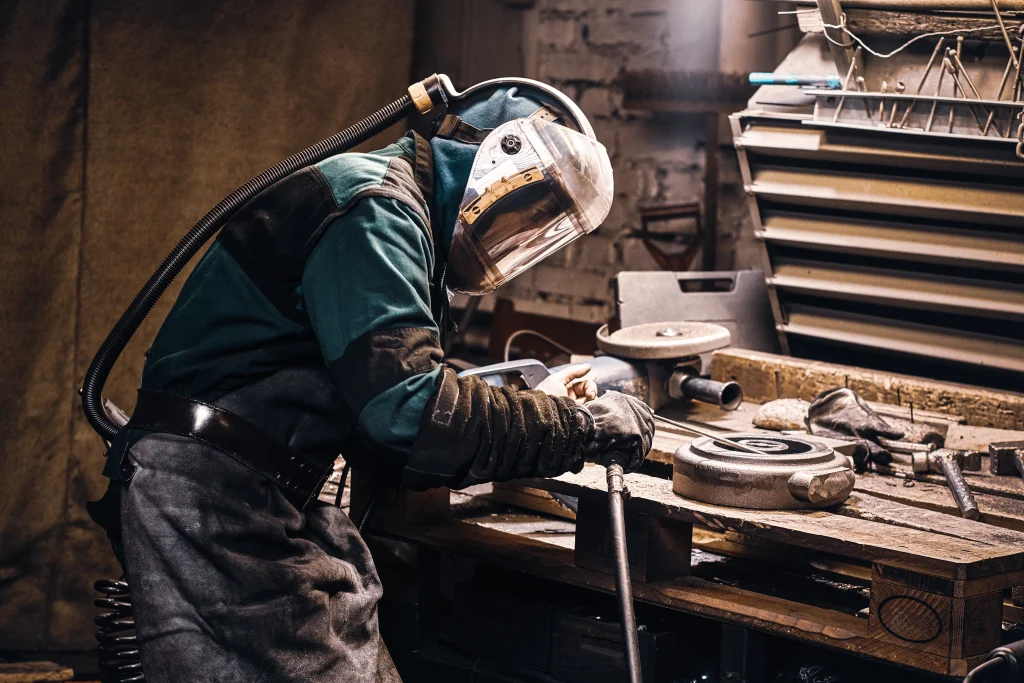
What Actually Drives Lead Times in Structural Steel Procurement
Lead time isn’t a single number — it’s the sum of several separate processes, each of which can add days or weeks depending on how well they’re managed. Understanding these components is the first step toward building a realistic schedule.
Steel procurement typically involves raw material sourcing, detailing and engineering review, fabrication, surface treatment, and delivery coordination. When any one of these steps is mismanaged, delays cascade through the rest. This is why builders who understand steel fabrication best practices tend to build more realistic schedules from the outset — they know where the real bottlenecks tend to occur, rather than assuming every stage takes the same amount of time.
Raw Material Availability and Mill Sourcing
The single biggest variable in most lead time estimates is raw material availability. Steel mills operate on production cycles that don’t always align neatly with a project’s desired start date, and demand fluctuations — whether regional or national — can extend sourcing timelines well beyond what a preliminary estimate suggests.
Fabricators with established mill relationships and diversified sourcing channels are typically able to absorb these fluctuations better than those relying on a single supplier. This is one of the quieter advantages of working with an experienced fabrication partner: they’ve already built in contingencies most project teams never see.
Detailing, Engineering Review, and Code Compliance
Before a single beam is cut, structural drawings need to be detailed, reviewed, and approved. For commercial builds, this step also has to account for IBC code compliance requirements for commercial buildings, which can add review cycles if the initial submission doesn’t fully address load calculations, connection details, or regional code amendments.
Projects that get this stage right the first time — with complete, code-compliant drawings from the start — routinely save one to two weeks compared to projects that go through multiple rounds of revisions. It’s a step worth investing extra attention in, precisely because it happens before fabrication even begins.
Why Early Engineering Coordination Pays Off
Bringing a fabricator into the conversation during early design — rather than after drawings are finalized — gives everyone a chance to flag potential code or constructability issues before they become costly delays. A fabricator who’s reviewed similar structural steel requirements on comparable regional projects can often spot problems that a design team working in isolation might miss.
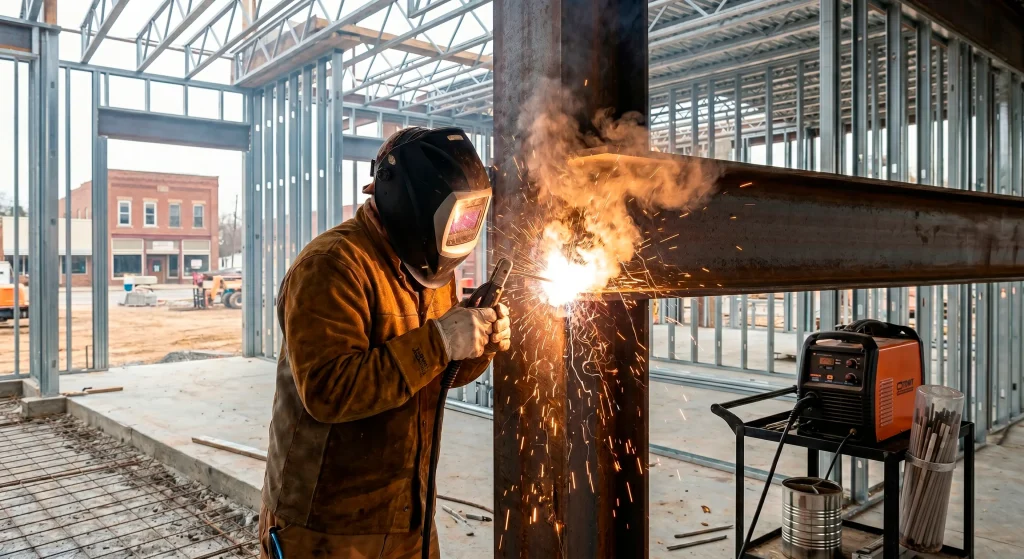
Regional Factors That Affect Steel Delivery Across the Southeast
Lead times aren’t uniform across the country, and commercial builders in our region face a few conditions that don’t always show up in generic procurement guides.
Seasonal construction demand in the Southeast tends to spike in spring and early summer, which means fabrication shops and mills are often running at higher capacity during these windows. Builders who plan procurement around this seasonal curve — ordering earlier when demand is expected to peak — tend to avoid the worst of the bottlenecks.
Transportation and logistics also play a bigger role than many project teams anticipate. Distance from fabrication facilities, trucking capacity, and even weather-related routing delays can all add unplanned days to a delivery schedule, particularly for larger structural components that require specialized transport.
Balancing Speed and Quality on Fast-Track Commercial Projects
Some commercial sectors — construction and hospitality in particular — often operate under especially aggressive timelines, where a delayed steel delivery can affect everything from labor scheduling to opening dates. This is part of why there’s been growing demand for fabrication approaches focused on accelerating construction and hospitality projects without cutting corners on quality or code compliance. Speed only helps a project if the finished structure still meets every performance and safety requirement it needs to meet.
It’s worth noting that fast and rushed are not the same thing. A fabricator who can compress a schedule usually does so through better planning and parallel processing — not by skipping steps that protect the integrity of the final structure.
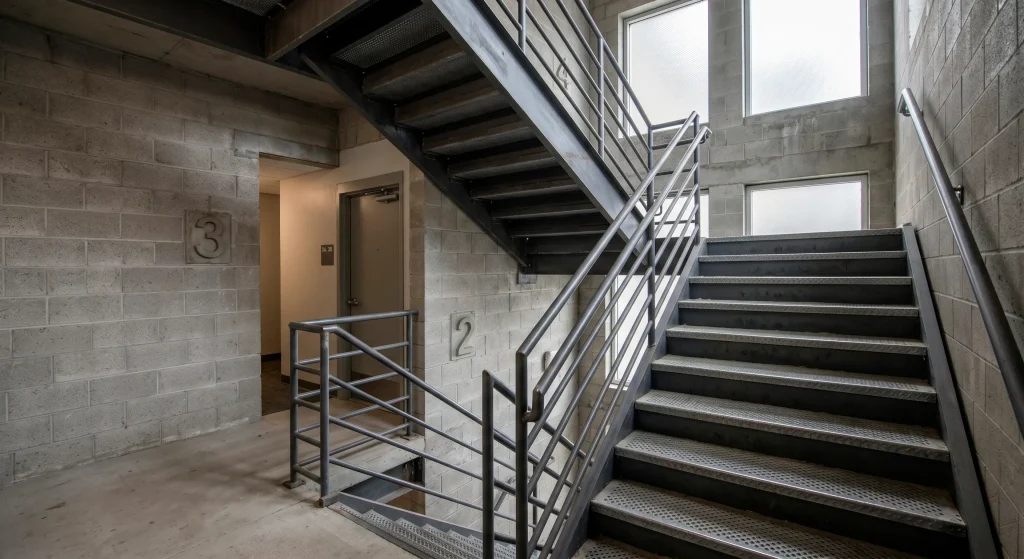
How to Reduce Risk in Your Steel Procurement Timeline
While some lead time variables are outside a project team’s control, there’s a lot that can be managed proactively. A few practices consistently make a measurable difference:
- Order early, even before final approvals — many fabricators can begin preliminary material sourcing while final drawings are being finalized
- Consolidate scope with a single fabrication partner when possible, rather than splitting components across multiple vendors with different schedules
- Build in buffer time for code review cycles, especially on projects with complex or unusual structural requirements
- Communicate project milestones clearly so your fabricator can prioritize accordingly
- Ask about current shop capacity before finalizing a delivery date, rather than assuming a quoted lead time already accounts for it
Heavier or more complex components deserve particular attention here. Projects involving designing and fabricating heavy-duty structural components often carry longer inherent lead times simply due to the engineering and material handling involved, and building that reality into the schedule early avoids painful surprises later.
What to Look for in a Fabrication Partner
Not every fabricator manages lead times the same way. When evaluating a potential partner for a commercial project, it’s worth asking about:
- Current shop capacity and backlog, not just a general lead time quote
- Mill relationships and sourcing flexibility for raw material
- In-house detailing and engineering review capabilities, which can shorten approval cycles
- Experience with regional code requirements specific to Southeast commercial builds
- Transparent communication practices throughout the fabrication and delivery process
Builders sourcing structural steel fabrication services in the Southeast from a shop with established mill relationships, in-house detailing, and phased delivery experience avoid the lead-time surprises that derail less-prepared projects. A fabricator who can speak specifically to these points — rather than offering a generic timeline — is usually the one who delivers on schedule when it matters most.
Frequently Asked Questions
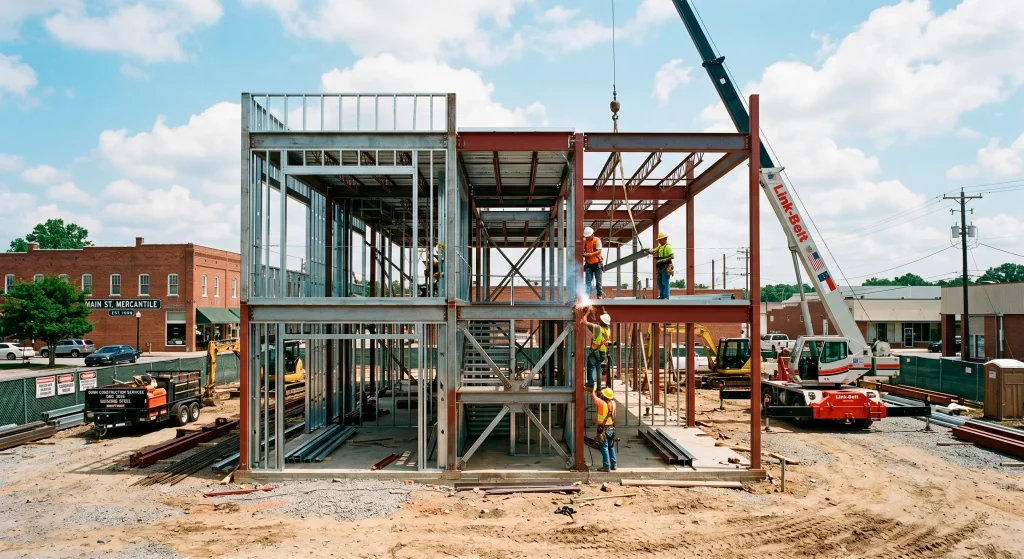
1. How far in advance should we start the steel procurement process for a commercial build?
For most commercial projects, it’s best to begin procurement discussions as early as the design development phase — ideally 3 to 6 months before steel is needed on-site, depending on project size and complexity.
2. What’s the biggest cause of unexpected delays in structural steel delivery?
Raw material sourcing and mill availability are typically the largest variables, though incomplete or non-code-compliant drawings that require multiple review cycles are a close second.
3. Can lead times be shortened without sacrificing structural quality or code compliance?
Yes — through early fabricator involvement, parallel processing of detailing and material sourcing, and clear milestone communication, but this requires proactive planning rather than compressing the schedule after delays have already occurred.
Conclusion
Managing lead times in structural steel procurement isn’t about eliminating every variable — some, like mill availability and seasonal demand, are simply part of the landscape for commercial builds across the Southeast. What is within a project team’s control is how early planning begins, how clearly requirements are communicated, and which fabrication partner is chosen to manage the process. Projects that treat procurement timing as a strategic decision, rather than an afterthought, consistently avoid the costly delays that derail less-prepared builds. The most effective step you can take today is to submit your project files early — our estimating team can flag scheduling constraints before they become critical-path problems.
Join our social networks to stay updated with our latest news and events. Don’t miss out on anything and follow our accounts today! Contact us!