Corrosion is one of the most expensive and preventable problems facing commercial steel structures today. Whether we’re talking about structural steel framing for a new build, weldments for industrial equipment, or architectural railings exposed to the elements, rust doesn’t just look bad — it compromises structural integrity, shortens service life, and drives up long-term maintenance costs. For fabricators, contractors, and property owners across Fayetteville and the surrounding region, understanding how to prevent corrosion before it starts is the difference between a structure that performs for decades and one that requires costly rework within just a few years.
In this guide, we’ll walk through why steel corrodes, why powder coating remains the most effective corrosion-prevention method for commercial applications, and how proper preparation and process control make or break the final result.
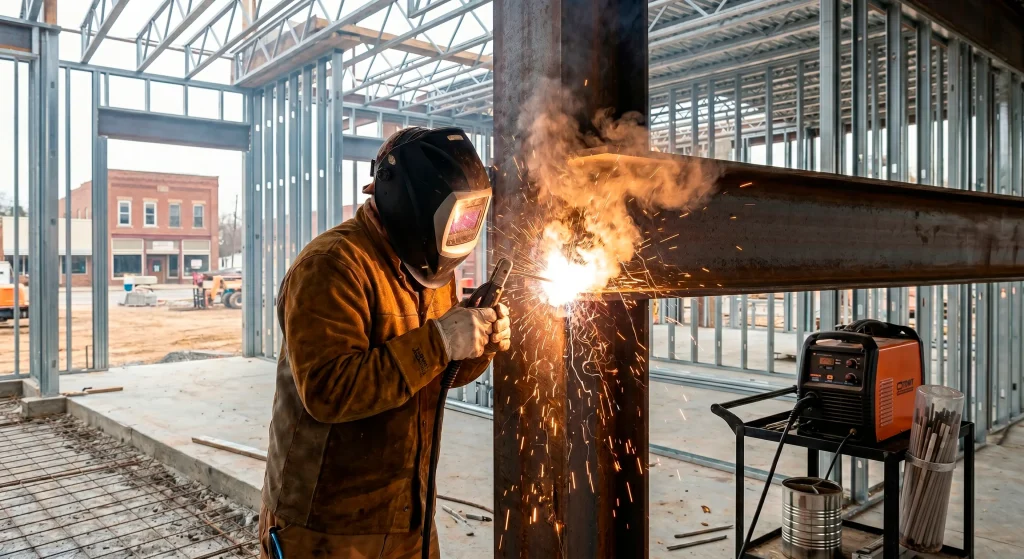
Why Commercial Steel Structures Are Vulnerable to Corrosion
Steel is strong, but it’s not naturally resistant to oxidation. When bare or improperly coated steel is exposed to moisture, oxygen, and airborne contaminants, an electrochemical reaction begins almost immediately. Over time, this reaction eats away at the metal’s surface, weakening structural members and creating safety liabilities.
This is especially true for structures that must meet strict IBC code compliance requirements for commercial buildings, where structural performance over the lifespan of the building is non-negotiable. Fabricators working on commercial or industrial projects need to think about corrosion protection as part of the design phase, not as an afterthought once the structure is already in the field.
Common Corrosion Triggers in Commercial and Industrial Environments
Several environmental and mechanical factors accelerate corrosion in commercial settings:
- Humidity and rainfall — particularly relevant in the Southeast, where high moisture levels persist for much of the year
- Salt exposure — from coastal proximity, road de-icing chemicals, or industrial runoff
- Chemical exposure — common in agricultural, manufacturing, and processing facilities
- Mechanical wear — abrasion from equipment, foot traffic, or vibration that exposes bare metal
- Poor fabrication practices — inadequate weld prep or inconsistent surface treatment before coating
Understanding which of these factors applies to a given project is the first step toward specifying the right protective system. This is one of the reasons steel fabrication best practices matter as much as the coating itself — a coating can only perform as well as the surface it’s applied to.
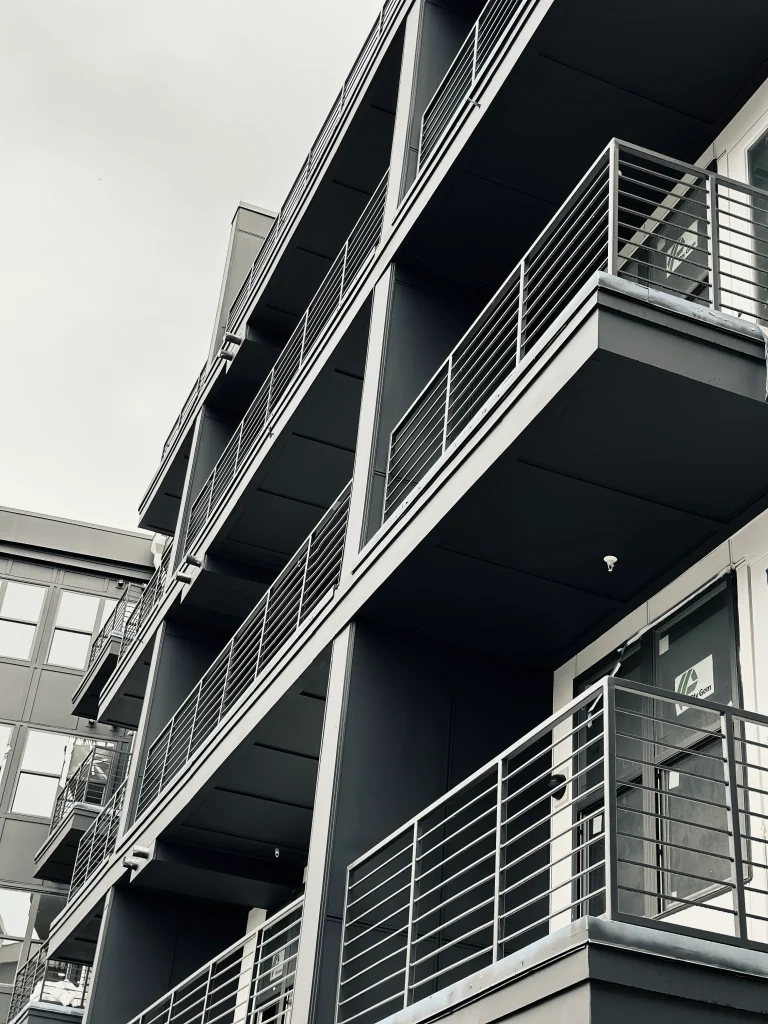
Why Powder Coating Is the Superior Corrosion-Prevention Method
Traditional liquid paint has long been the default for protecting steel, but it comes with real limitations: uneven coverage, solvent emissions, and a coating that’s inherently more porous and prone to chipping. Powder coating solves these problems at a chemical and mechanical level.
Powder coating is applied as a dry, electrostatically charged powder, then cured under heat so it fuses into a continuous, uniform film. Unlike liquid paint, there’s no solvent to evaporate and no drip marks to worry about. The result is a finish that is:
- Denser and more uniform than liquid paint, with no thin spots where corrosion can start
- More resistant to chipping, scratching, and UV degradation
- Environmentally cleaner, since powder coating produces little to no volatile organic compound (VOC) emissions
- More cost-effective over the life of the structure, due to reduced recoating and maintenance needs
For commercial fabricators managing large-scale projects — from structural beams to custom railings — this level of consistency is what separates a coating that lasts 20+ years from one that needs attention within five.
The Role of Surface Preparation in Long-Term Corrosion Resistance
No coating, however advanced, can compensate for poor surface preparation. Before any powder is applied, steel must go through a rigorous preparation process, typically including:
- Degreasing to remove oils, dirt, and manufacturing residue
- Abrasive blasting (commonly sandblasting or shot blasting) to achieve the correct surface profile
- Chemical pretreatment, such as iron or zinc phosphate, to improve adhesion and add a secondary layer of corrosion resistance
- Thorough drying to eliminate any trapped moisture before curing
This step is especially critical for weldments, where heat-affected zones and weld splatter can create inconsistencies in the surface if not properly addressed beforehand. Fabricators who cut corners here often see premature coating failure at weld seams — even when the powder coat itself was applied correctly.
Why Weldment Preparation Deserves Extra Attention
Weld joints are one of the most common failure points for corrosion, simply because they’re often overlooked during prep. Slag, spatter, and oxidation around the weld bead need to be fully removed before blasting and coating. A properly prepared weldment allows the powder coat to bond evenly across the entire surface — including the weld itself — rather than leaving a vulnerable seam where moisture can eventually penetrate.
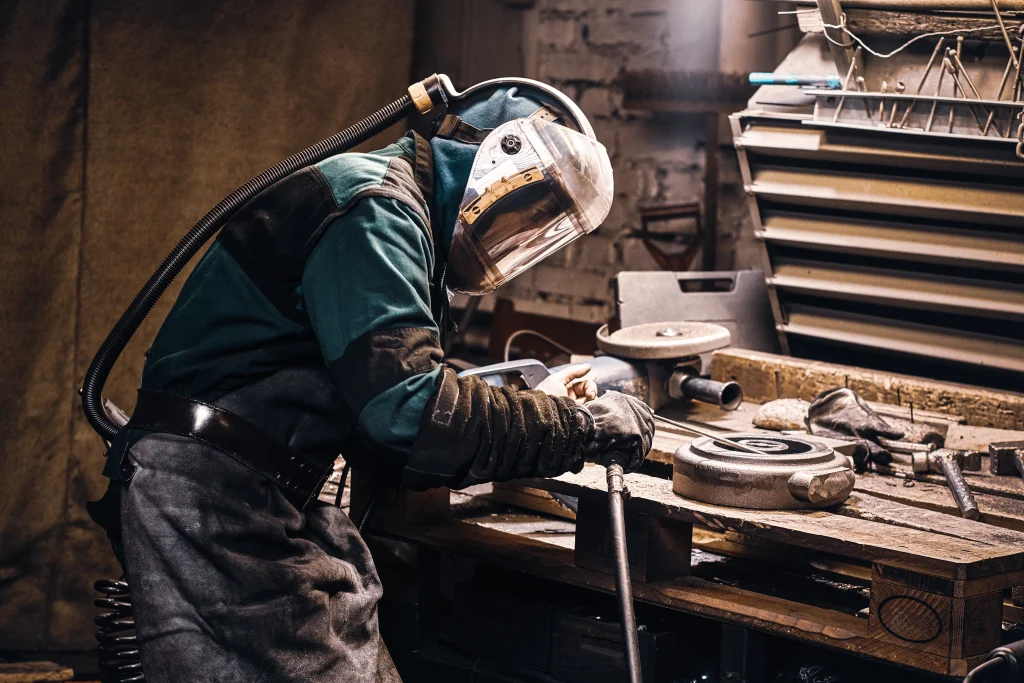
Powder Coating Applications for Commercial and Industrial Structures
Powder coating isn’t a one-size-fits-all solution — different structural applications call for different considerations in film thickness, color stability, and chemical resistance.
Structural steel framing, for instance, often prioritizes maximum corrosion resistance and UV stability, since these components are frequently exposed outdoors for the life of the building. Anyone specifying materials for a new build should be familiar with current structural steel requirements before finalizing a coating specification, since load-bearing tolerances and finish requirements often intersect.
Architectural railings and handrails demand both durability and aesthetic consistency, particularly on commercial or public-facing properties where appearance matters as much as performance.
Heavy equipment and industrial components need coatings that can withstand abrasion, chemical exposure, and repeated mechanical stress — which is why designing and fabricating heavy-duty components correctly from the outset has such a direct impact on how well the finished coating performs in the field.
Powder Coating in Fast-Paced Commercial Projects
Construction and hospitality projects, in particular, often operate on tight timelines where delays are costly. Powder coating’s fast cure times and durability make it a strong fit for these environments, which is part of why we’ve seen growing demand for solutions aimed at accelerating construction and hospitality projects without sacrificing long-term performance. A coating that holds up under aggressive project timelines and years of real-world exposure is exactly the kind of value commercial clients are looking for.
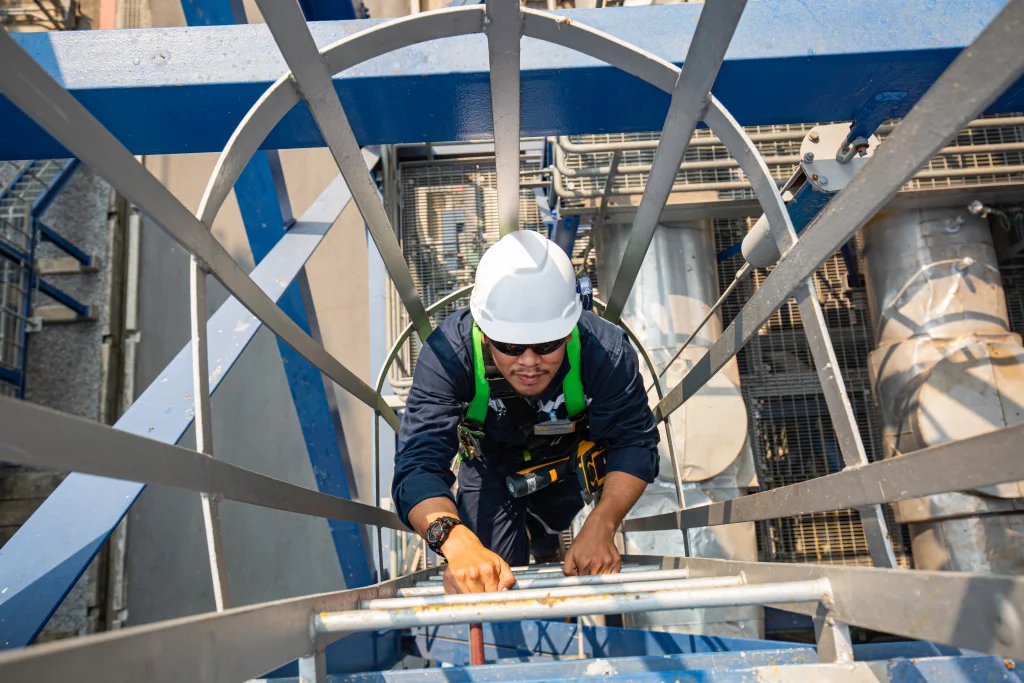
Choosing the Right Coating Partner for Long-Term Performance
Corrosion prevention isn’t just about the coating material — it’s about the process, the equipment, and the expertise behind the application. When evaluating a coating partner, commercial fabricators and contractors should look for:
- Documented surface preparation protocols, not just a general assurance of “proper prep”
- Film thickness testing to confirm consistent coverage across every piece
- Color and finish matching capabilities for projects with specific architectural requirements
- Turnaround times that align with project schedules, especially for time-sensitive builds
- A track record with commercial and industrial clients, not just residential or small-scale work
Shops offering turnkey structural steel fabrication — CNC processing, certified welding, surface preparation, and QC inspection under one roof — are best positioned to coordinate coating specifications correctly from the outset. Cutting corners on any of these fronts tends to show up years later, in the form of premature rust, peeling, or finish failure — problems that are far more expensive to correct after installation than to prevent up front. This is exactly why so many contractors return to the same steel fabrication best practices that have already proven reliable across previous projects, rather than experimenting with unproven shortcuts on a new build.
Building Corrosion Prevention Into Project Planning
The most successful commercial projects treat corrosion prevention as part of the planning process, not a decision made at the last minute. That means specifying coating requirements early, coordinating fabrication and coating timelines, and building in time for proper surface preparation rather than rushing it to meet a deadline. A little upfront planning consistently pays for itself in reduced maintenance and extended service life.
Frequently Asked Questions
1. How long does a powder-coated finish typically last on commercial steel structures?
With proper surface preparation and application, a powder-coated finish can last 15 to 20 years or more in commercial and industrial environments, depending on exposure conditions and maintenance practices.
2. Is powder coating more effective than galvanizing for corrosion resistance?
Both methods offer strong corrosion protection, but they serve different purposes. Powder coating provides superior aesthetic flexibility and chemical resistance, while galvanizing offers a thick, sacrificial zinc layer. Many commercial applications actually combine both — galvanizing as a base layer with a powder-coated topcoat — for maximum protection.
3. Can powder coating be applied to previously coated or rusted steel?
Yes, but the existing coating or rust must be completely removed through abrasive blasting before new powder coat can be applied. Attempting to coat over existing corrosion will trap moisture beneath the new finish and lead to premature failure.
Conclusion
Preventing corrosion on commercial steel structures isn’t about finding a single product that solves the problem — it’s about combining the right materials, the right preparation process, and the right coating partner. Powder coating remains one of the most reliable, cost-effective methods available for protecting structural steel, railings, weldments, and heavy-duty components against long-term corrosion, provided the surface preparation and application process are handled with the level of precision commercial projects demand.
Join our social networks to stay updated with our latest news and events. Don’t miss out on anything and follow our accounts today! Contact us!