When a general contractor or developer is assembling a bid list for a commercial project, the subcontractor prequalification process is often where the real vetting happens — long before the first steel beam ever reaches the site. We know from experience that owners and GCs are not just looking for the lowest price; they’re looking for proof that a structural steel partner can deliver safely, on schedule, and to code. That’s why we’ve put together this comprehensive checklist: to help project teams understand exactly what separates a qualified steel fabrication and erection contractor from a risky one.
Whether you’re a general contractor building your approved subcontractor list, a developer managing a multifamily or hospitality build-out, or a fabrication shop trying to understand what documentation you should have ready, this guide walks through the criteria that matter most.
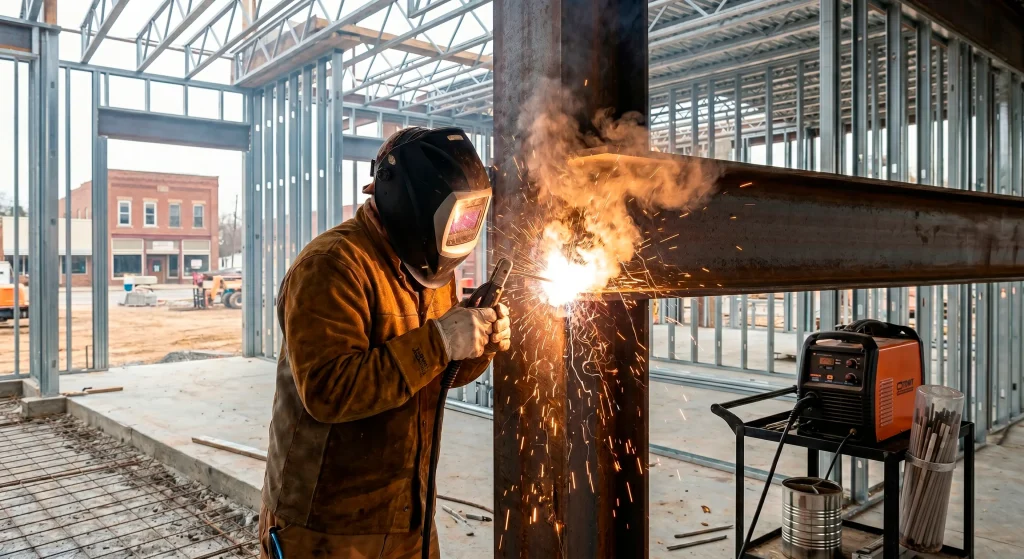
Why Prequalification Matters More in Structural Steel Than in Almost Any Other Trade
Steel is not a forgiving material. A fabrication error that seems minor on paper — a misaligned connection, an under-specified weld, a coating applied in the wrong conditions — can become a safety liability or a six-figure change order once erection begins. That’s precisely why prequalification for structural steel subcontractors tends to be more rigorous than for many other trades on a commercial job.
Unlike finish trades, structural steel work happens early in the construction sequence and everything else in the building schedule depends on it going right. A delay in fabrication or a failed erection inspection doesn’t just affect the steel package — it cascades through the entire project timeline. General contractors know this, which is why they’ve become increasingly disciplined about vetting fabricators and erectors before ever issuing a purchase order.
What Owners and GCs Are Really Trying to De-Risk
At the core, prequalification exists to answer three questions:
- Can this contractor actually produce and erect the tonnage required, on this timeline?
- Does this contractor have a documented safety record that won’t expose the project to liability?
- Will this contractor’s work pass inspection the first time, or will it generate rework?
We’ll walk through each category of documentation and capability that helps answer those questions.
The Core Checklist: What to Verify Before Awarding a Steel Package
1. Licensing, Bonding, and Insurance Documentation
This is the baseline. Any subcontractor being considered for a structural steel scope should be able to produce, without delay:
- Current business licensing in the state(s) where the project is located
- Bonding capacity appropriate to the contract value — not just bonding availability, but demonstrated capacity for a project of this size
- General liability and workers’ compensation insurance certificates naming the GC and owner as additional insureds
- Umbrella/excess liability coverage, particularly for erection scopes involving structural loads over occupied or public areas
A contractor who hesitates or can’t produce these documents quickly is signaling a deeper organizational problem — and that’s worth noting before the bid gets any further.
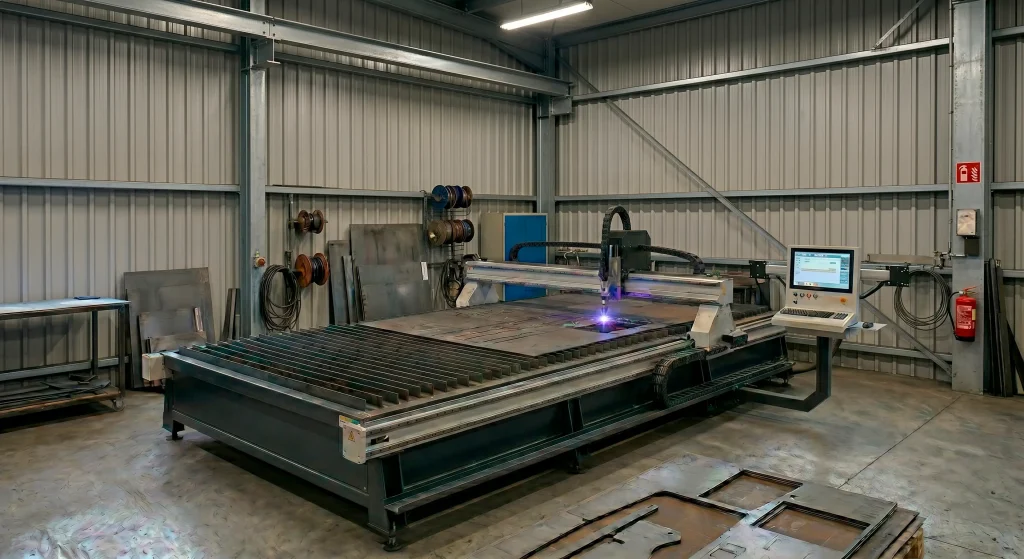
2. Fabrication Capacity and Shop Certifications
This is where a lot of prequalification checklists get too generic. It’s not enough to confirm that a shop can fabricate steel — the real question is whether their shop is set up to handle your specific project type. A shop that primarily fabricates light gauge components for warehouses is a very different partner than one experienced in the connection detailing and tolerances required for multifamily podium construction or hospital structural systems.
We recommend requesting:
- AISC certification (or equivalent) — look for shops that offer AISC-certified structural steel fabrication with independently audited quality systems, as this is one of the clearest third-party signals available. — this remains one of the clearest third-party signals of shop quality control
- Evidence of specific structural steel requirements being met for the building type in question, since hospitals, hotels, and multifamily structures each carry distinct load, occupancy, and code considerations
- A documented quality control process from raw material receipt through finished shipment
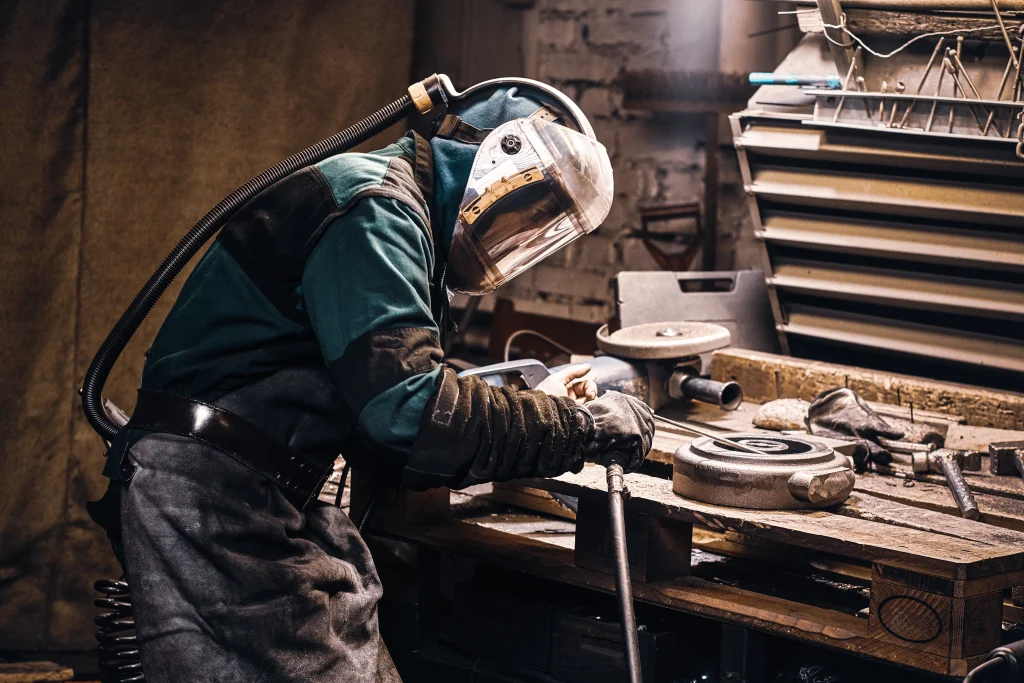
3. Weld Procedure Qualification and AWS Compliance
Welding quality is not something you can verify by looking at a finished member — it has to be documented. Ask for:
- Current Welding Procedure Specifications (WPS) for the joint types and materials your project requires
- Welder qualification records, updated per AWS D1.1 requirements
- A named quality control representative who signs off on weld inspections before shipment
If a subcontractor can’t produce this paperwork on request, that’s a red flag regardless of how strong their portfolio looks.
Erection-Specific Prequalification Criteria
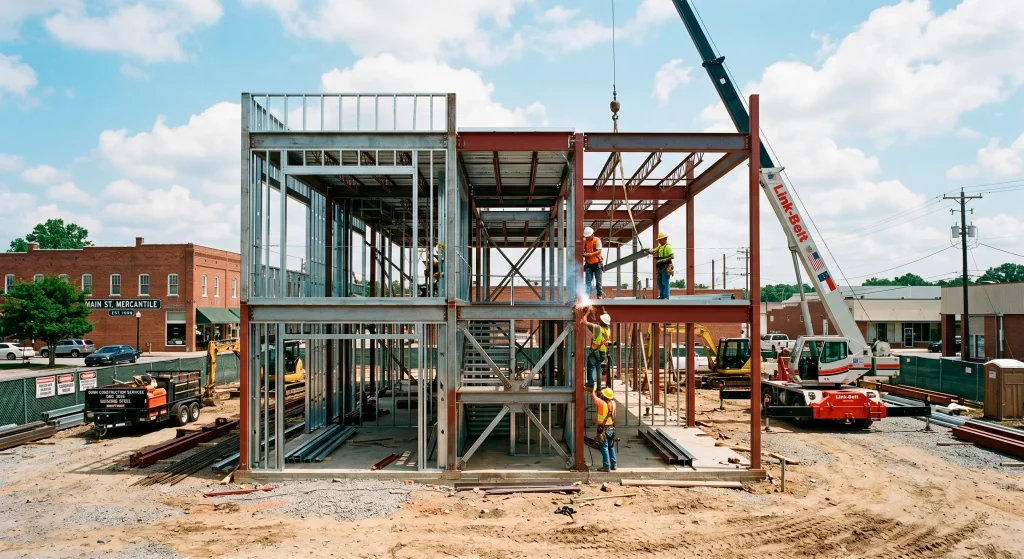
Fabrication and erection are two distinct disciplines, and a strong shop doesn’t automatically mean a strong field crew. When prequalifying the erection side of the scope specifically, we look at a different set of criteria.
Safety Record and OSHA History
Erection is one of the higher-risk activities on any commercial job site. Before awarding a package, request:
- EMR (Experience Modification Rate) — generally, anything above 1.0 warrants a closer conversation
- OSHA 300/300A logs from the past three years
- Documented fall protection and rigging plans, particularly for multi-story or occupied-site erection
Crew Experience with Comparable Building Types
An erection crew that has spent years on single-story industrial buildings may not be the right fit for a mid-rise hotel or a hospital addition being built adjacent to active patient care areas. We’ve found that project teams get better outcomes when they specifically ask for references from comparable building types and comparable site conditions — not just general steel erection experience.
Coordination and Sequencing Capability
One of the most overlooked prequalification criteria is a contractor’s ability to sequence steel delivery and erection around a live construction schedule. This ties directly into managing lead times in structural steel projects, since a contractor who can’t forecast and communicate fabrication timelines accurately will create downstream scheduling problems for every trade that follows.
Field Conditions and Long-Term Performance Considerations
Corrosion Protection and Coating Systems
For projects with exterior exposure, coastal proximity, or high-humidity climates — which describes much of our service area across North Carolina, South Carolina, and Virginia — coating system knowledge should be part of the prequalification conversation. It’s worth asking any prospective fabricator directly about their approach to preventing corrosion on structural steel, including primer selection, application environment controls, and touch-up procedures for field welds made after coating.
Schedule Performance on Time-Sensitive Building Types
Hospitality and healthcare projects carry unique schedule pressure — every week of delay has a direct, quantifiable revenue or operational cost to the owner. When prequalifying a steel contractor for these building types, ask specifically how they’ve supported accelerating construction timelines on hospitality projects in the past, and request references who can speak to whether commitments were actually met.
Internal Best Practices and Process Maturity
Finally, it’s worth asking any fabricator directly about their internal fabrication best practices, since contractors who can clearly articulate their own process — from detailing review to shop scheduling to shipping logistics — tend to be the ones who execute predictably in the field.
Putting the Checklist to Work
We’d suggest treating this less like a one-time form to collect and more like a living evaluation that gets revisited every project cycle. Steel contractors change staffing, shop capacity, and safety performance over time, and a subcontractor who prequalified well two years ago may not be the same organization today. Building in a periodic re-verification step — particularly for licensing, insurance, and safety metrics — protects the project without adding meaningful friction to the bidding process.
Frequently Asked Questions
How long does a typical steel subcontractor prequalification process take?
Most prequalification reviews take between one and three weeks, depending on how quickly the subcontractor can produce documentation and how many references need to be contacted. Contractors with organized, readily available documentation tend to move through the process noticeably faster.
What’s the difference between prequalifying a fabricator versus an erector?
Fabrication prequalification focuses on shop capacity, certifications, and quality control processes, while erection prequalification focuses on field safety record, crew experience, and site coordination capability. Many companies handle both scopes, but each should be evaluated against its own distinct criteria.
Should prequalification criteria change based on building type?
Yes. A contractor well-suited for industrial or warehouse steel work may not have the connection detailing experience or coating knowledge required for multifamily, hospitality, or healthcare projects, where code requirements, occupancy considerations, and finish expectations are considerably more demanding.
Conclusion
A strong prequalification checklist protects the project long before the first piece of steel is ordered. By verifying licensing and insurance, confirming fabrication and welding certifications, reviewing erection safety history, and asking pointed questions about coordination, coating systems, and schedule performance, general contractors and developers can build a bid list they can actually trust. If you’re building your prequalified subcontractor list for a commercial steel project in NC, SC, or VA, add us to your bid list — our team can provide certifications, insurance, and AWS documentation on request.
Join our social networks to stay updated with our latest news and events. Don’t miss out on anything and follow our accounts today! Contact us!