You control custom steel fabrication costs by bringing an AISC certified fabricator in during design development, standardizing connections, timing material purchases, bundling phases into fewer shop runs, prequalifying bidders and matching coatings to real exposure. Each step removes waste before the steel ever reaches your jobsite.
Table of Contents
Over Budget Before the First Beam Is Cut
The steel package came in over budget, the design team is still revising connection details, and every revision lands on your desk as another change order. The crane date, meanwhile, has not moved. That is how custom steel fabrication costs climb on commercial jobs: not through one big mistake, but through a stack of small decisions made too late. If you are developing or building multifamily, hospitality or healthcare projects in North Carolina, South Carolina or Virginia, this guide shows which cost controls work on real projects and which only look good on paper, so you can decide where to act before your drawings go out for bid.
Why Custom Steel Fabrication Costs Spiral on Commercial Projects
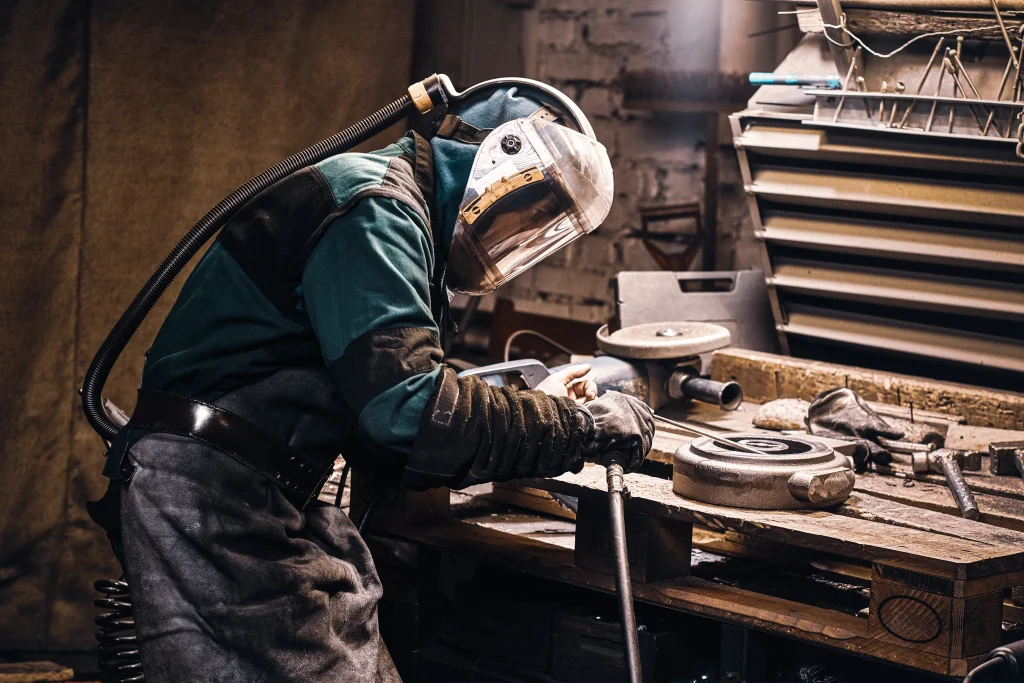
Custom steel fabrication costs spiral when small inefficiencies stack up: cut lists that waste material, late design revisions that trigger change orders and tolerances nobody communicated to the shop. Catching these during design is far cheaper than fixing them during fabrication or, worse, in the field during erection.
The Hidden Cost Drivers Developers Overlook
The biggest budget killers are rarely the ones owners expect. Material waste from poorly nested cut lists, change-order cascades from late revisions and rework caused by unclear tolerances add up fast. The projects that keep custom steel fabrication costs in line bring the fabricator into the conversation early, instead of handing over a finished drawing set and asking for a number.
Design Timing and Its Direct Impact on Price
When our estimating team is involved during design development rather than construction documents, we can flag constructability issues, suggest more efficient member sizing and standardize connections before they are locked in. Early coordination also protects the schedule, a point we cover in our guide to managing structural steel lead times.
Practical Strategies That Reduce Custom Steel Fabrication Costs
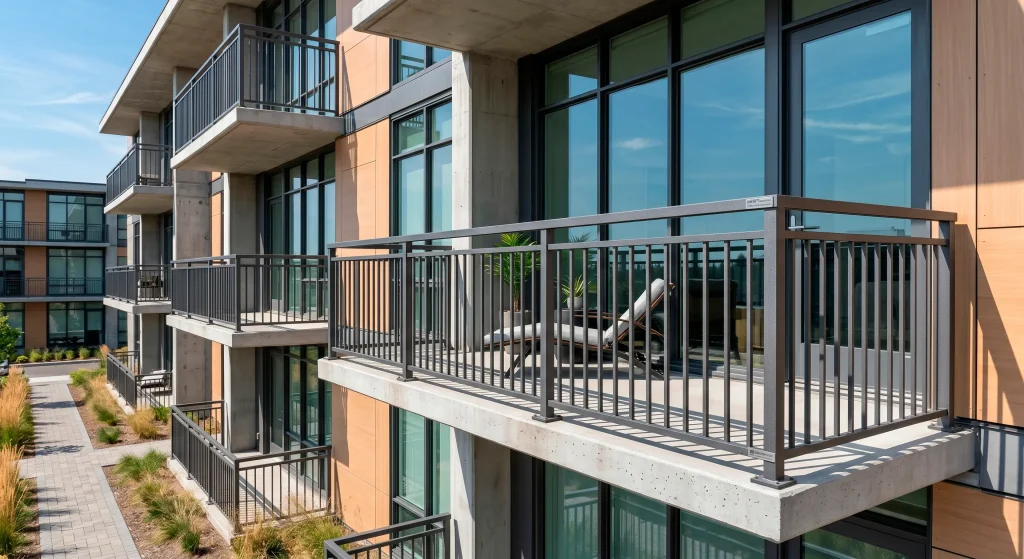
The strategies that reduce custom steel fabrication costs most consistently are standardized connections, well-timed material procurement and bundled shop runs. They cut engineering hours, shop setups and price exposure without lowering structural performance, code compliance or the quality your special inspector has to sign off on.
Standardize Connections Wherever Structurally Possible
Every non-standard detail adds engineering time, shop drawing revisions and fabrication steps. We recommend pushing design teams toward standard, AISC-recognized connection types unless an architectural or structural requirement demands otherwise. Applied across a whole building, that single decision lowers custom steel fabrication costs in both the shop and the field.
Optimize Material Procurement Timing
Steel pricing moves, and developers who commit too early or too late both pay a premium. We track mill pricing and advise clients on when to release purchase orders, balancing price risk against longer lead times. This matters most on multifamily and hospitality projects, where the structural package usually sits on the critical path.
Bundle Phases to Improve Shop Efficiency
On multi-building or phased projects, releasing fabrication as one bundled run instead of separate orders lets our CNC equipment nest parts more efficiently and cuts setup changeovers. Those shop savings come back to the developer as lower custom steel fabrication costs and a steadier delivery sequence.
| Strategy | What it removes | Best fit |
|---|---|---|
| Early fabricator involvement | Redesign, late change orders | Any commercial project |
| Standardized connections | Engineering hours, shop drawing revisions | Repetitive structural bays |
| Procurement timing | Price spikes, extended lead times | Critical-path steel packages |
| Bundled shop runs | Setup changeovers, material waste | Multi-building or phased sites |
| Exposure-based coatings | Overspecified finish systems | Mixed interior and exterior steel |
Qualitative comparison based on our shop experience; savings vary by project scope and are not a quote.
Not sure which of these applies to your project?
Schedule a call with our estimating team to review your drawings before they go out for bid. We will point out where your custom steel fabrication costs can come down without touching structural intent.
Prequalify Fabricators Before You Compare Bids
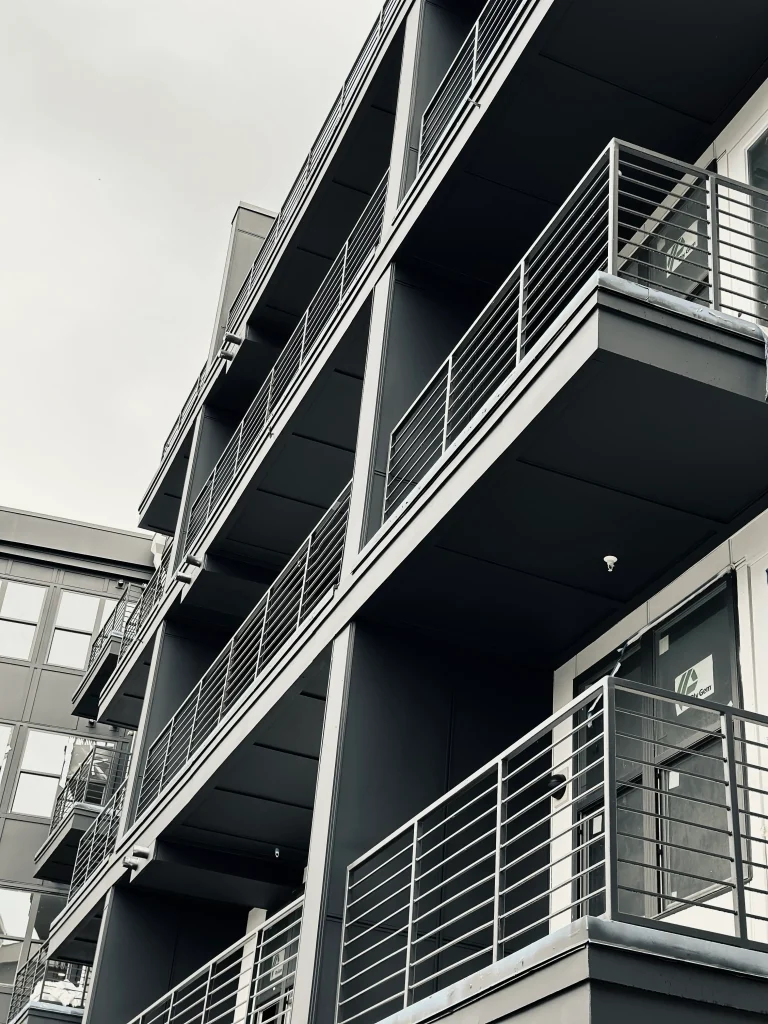
Prequalifying fabricators before bidding means checking AISC certification, bonding capacity and current shop load first. A low bid from an overextended or uncertified shop often costs more through delays, rework and default risk, so prequalification protects custom steel fabrication costs better than negotiating price alone.
Our steel subcontractor prequalification checklist lists the exact criteria we recommend when vetting structural steel partners. As an AISC certified shop with documented, AWS-compliant FCAW welding procedures, Richards Welding is built to pass that review.
Protecting Your Investment After Fabrication
Custom steel fabrication costs do not stop at the shop door. Poor delivery sequencing, wasted crane time and overspecified coatings can erase earlier savings. Planning staged deliveries, erection sequence and coating systems before fabrication starts keeps the money you saved from leaking out on the jobsite.
Coordinating Crane and Erection Logistics
Crane time is one of the most expensive resources on any site. We sequence staged deliveries so members arrive in erection order, which cuts double handling and idle crane hours. See our article on streamlining on-site crane operations.
Specifying the Right Corrosion Protection
Not every member needs the same finish. Matching the coating system to actual exposure, interior versus exterior or wet versus dry, instead of defaulting to the most conservative option everywhere, reduces custom steel fabrication costs without shortening service life.
Sequencing for Speed on Hospitality and Healthcare Builds
On hotels and medical facilities, delay itself is a cost because every week closed is lost revenue. In our shop, we prioritize fabrication and delivery sequencing that supports fast-track schedules without cutting qual
Building a Long-Term Cost-Control Partnership in NC, SC and VA
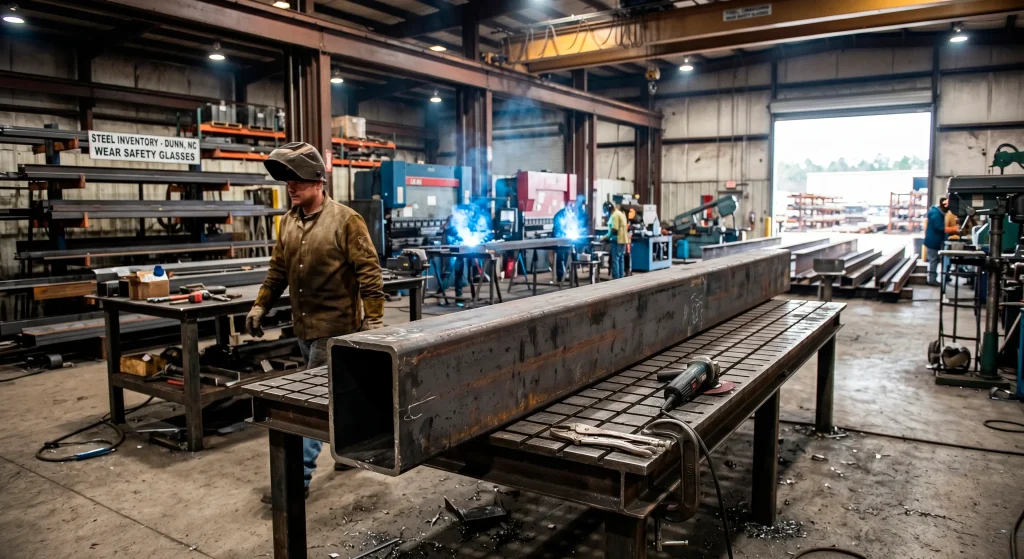
Developers who keep custom steel fabrication costs predictable treat their fabricator as a long-term partner, not a lowest-bid vendor. A shop that knows your building types, detailing standards and risk tolerance shortens the learning curve on every new project, which lowers cost, protects schedule and reduces surprises.
Richards Welding works from Dunn, North Carolina, and supports commercial builders across the region. Learn more about our work for structural steel projects in North Carolina, steel fabrication in South Carolina and commercial steel fabrication in Virginia, or review our full range of CNC cutting, press brake forming and structural welding services.
Frequently Asked Questions
What is the most effective way to reduce custom steel fabrication costs?
Engage your fabricator during design development. Early involvement allows constructability review, connection standardization and procurement planning, which cannot happen once construction documents are final and changes become change orders.
How much can standardized steel connections save on a commercial project?
Savings depend on scope, but standardized connections reduce engineering hours, shop drawing revisions and fabrication steps on every affected member. The effect grows on multifamily and hotel projects with repetitive structural bays.
Should a developer always choose the lowest steel fabrication bid?
No. The lowest bid does not reflect certification status, shop capacity or bonding strength. Those factors drive delays and quality issues that often cost more than the initial savings.
Conclusion
Lower custom steel fabrication costs come from decisions made across the whole project, not from a single negotiation. Bring your fabricator in during design development, standardize connections, time material purchases, bundle shop runs and prequalify every bidder on certification, bonding and shop load. Then protect those savings on site with staged deliveries, planned crane time and coatings matched to real exposure. Developers who follow this sequence stop paying for late revisions and idle crews, and they reach bid day with a steel package priced on facts instead of assumptions.
Ready to price your project?
Send your CAD, DXF, DWG or PDF drawings, cut list or BOM, material specs, quantities and target date. Our estimating team will prepare a scope-complete quote.
Prefer to talk? Call (919) 438-6103
Other ways to reach us: Richards Welding & Metal Fabrication, 109 East Devine St., Dunn, NC 28334 · (919) 438-6103 · terry@richardsmetalfabrication.com
Written by: Richards Welding Estimating Team · Updated October 22, 2026
Sources:
- American Institute of Steel Construction (AISC), Code of Standard Practice for Steel Buildings and Bridges (ANSI/AISC 303)
- American Institute of Steel Construction (AISC), Certification Programs, aisc.org
- American Welding Society (AWS), D1.1/D1.1M Structural Welding Code: Steel
- International Code Council (ICC), International Building Code, Chapter 17: Special Inspections and Tests