When margins are tight and timelines are tighter, the difference between a profitable commercial project and a break-even one often comes down to decisions made long before steel ever touches the site. Custom steel fabrication is one of the most consequential line items in any commercial build, and developers who understand how to manage it strategically consistently outperform those who treat it as a black box handled entirely by others.
We work with general contractors, developers, and architects across North Carolina, South Carolina, and Virginia on multifamily, hospitality, and healthcare projects, and we’ve seen firsthand which cost-control strategies actually move the needle versus which ones only look good on paper. This guide breaks down the practical, field-tested approaches that reduce fabrication costs without compromising structural integrity, code compliance, or project timelines.
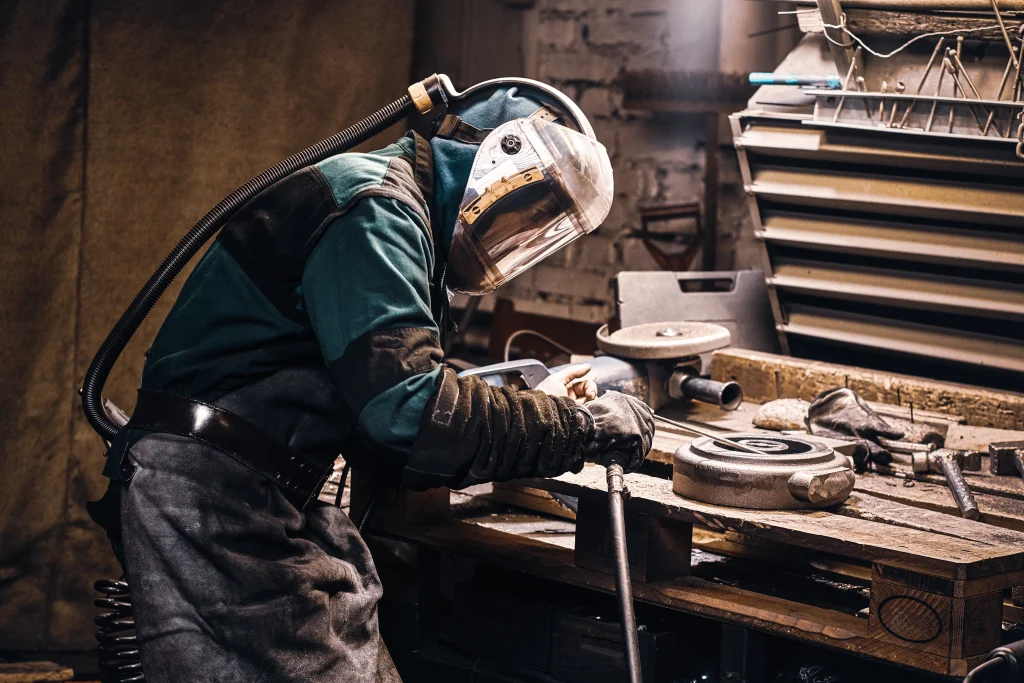
Why Fabrication Costs Spiral on Commercial Projects
Before we get into solutions, it’s worth understanding where the money actually goes. On most commercial jobs, fabrication cost overruns don’t come from a single catastrophic error — they accumulate from a series of small, avoidable inefficiencies.
The Hidden Cost Drivers Developers Overlook
The biggest budget killers we see are rarely the ones developers expect. Material waste from poorly optimized cut lists, change-order cascades triggered by late design revisions, and rework caused by tolerances that weren’t clearly communicated upstream all add up fast. In our experience, the projects that stay on budget are the ones where the fabricator is brought into the conversation early, not handed a finished drawing set and told to quote it.
Design Timing and Its Direct Impact on Price
There’s a direct correlation between how early a fabricator is engaged and how competitive the final pricing ends up being. When we’re looped in during design development rather than construction documents, we can flag constructability issues, suggest more efficient member sizing, and identify opportunities to standardize connections — all of which translate into real savings. We’ve written more about this in our piece on managing lead times in structural steel projects, which covers how early coordination protects both schedule and budget.
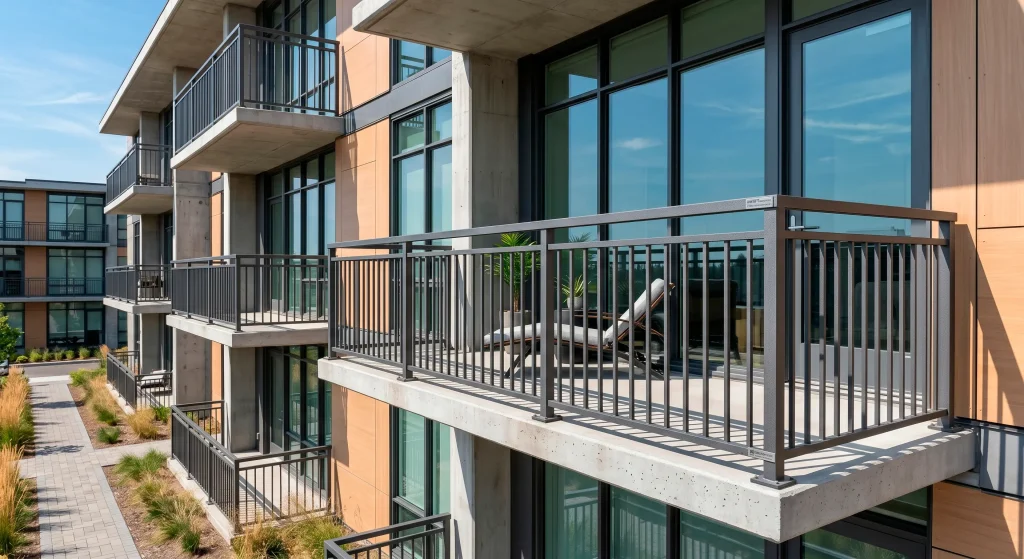
Practical Strategies That Actually Reduce Fabrication Costs
Cost-effective fabrication isn’t about cutting corners — it’s about eliminating waste, both in material and in process. Here’s what consistently works on the projects we fabricate for.
Standardize Connections Wherever Structurally Possible
Custom connections have their place, but every non-standard detail adds engineering time, shop drawing revisions, and fabrication complexity. We routinely recommend that developers push their design teams toward standardized, AISC-recognized connection types unless a specific architectural or structural requirement demands otherwise. This single decision, applied consistently across a project, can shave meaningful time and cost off both the shop and field phases.
Optimize Material Procurement Timing
Steel pricing is volatile, and developers who lock in material commitments too early or too late both end up paying a premium. We monitor mill pricing trends and advise our clients on the optimal window to release purchase orders, balancing price risk against the very real possibility of extended lead times. This is especially critical on multifamily and hospitality projects where the structural package often sits on the critical path.
Bundling Phases to Improve Shop Efficiency
Where a project has multiple buildings or phases, bundling fabrication runs — rather than releasing each phase as a separate order — allows our shop to optimize nesting, reduce setup changeovers, and pass those efficiencies back to the developer in the form of better unit pricing. It’s a strategy we discuss in more detail with clients managing multi-building campuses, and it pairs well with the lead-time planning referenced above.
Prequalify Subcontractors and Fabricators Before Bidding
Low bids from unqualified or overextended fabricators almost always cost more in the long run through delays, quality issues, or outright default. We strongly encourage developers to build prequalification into their bidding process rather than treating it as an afterthought. Reviewing a fabricator’s AISC certification status, bonding capacity, and current shop load gives a far more accurate picture of true project risk than price alone. Our guide on subcontractor prequalification outlines the specific criteria we recommend developers use when vetting structural steel partners.
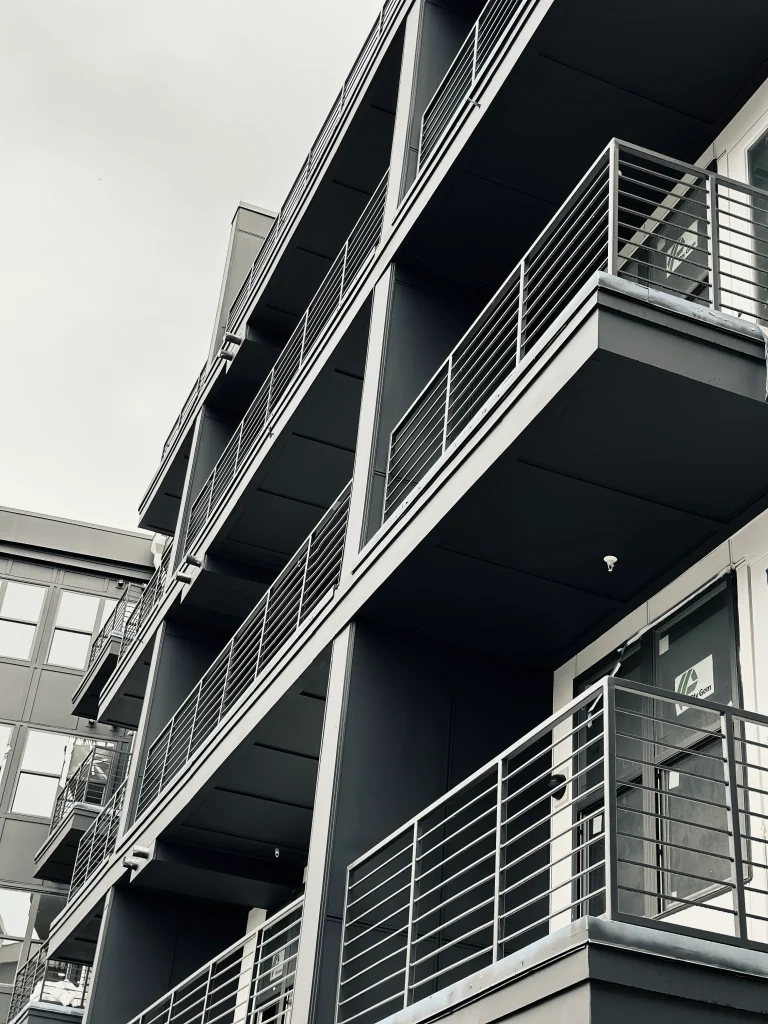
Protecting Your Investment After Fabrication
Cost-effectiveness doesn’t end when the steel leaves the shop. Poor site logistics and inadequate corrosion protection are two of the most common ways developers lose the savings they worked hard to secure earlier in the process.
Coordinating Crane and Erection Logistics
Erection delays caused by poor crane scheduling or site access issues can quietly erase weeks of fabrication savings. We work closely with erection crews to sequence deliveries in a way that minimizes double-handling and keeps crane time — one of the most expensive resources on any jobsite — used efficiently. If you’re managing a tight urban site or a project with limited laydown space, our article on streamlining on-site crane operations walks through the coordination strategies that keep erection on schedule.
Specifying the Right Corrosion Protection for the Application
Overspecifying coating systems is a common and expensive mistake. Not every member needs the same level of protection, and matching the coating system to the actual exposure conditions — rather than defaulting to the most conservative option across the board — can meaningfully reduce costs without compromising service life. We break this down further in our resource on preventing corrosion on structural steel, including how to match coating specifications to project-specific environmental exposure.
Sequencing for Speed on Hospitality and Healthcare Builds
Hospitality and healthcare projects carry unique cost pressures because delay itself is a cost — every week a hotel or medical facility isn’t operational represents lost revenue. On these project types, we prioritize fabrication and erection sequencing that supports fast-track construction schedules. Our piece on accelerating construction timelines for hospitality projects covers the specific sequencing strategies that have helped developers compress schedules without sacrificing quality or code compliance.
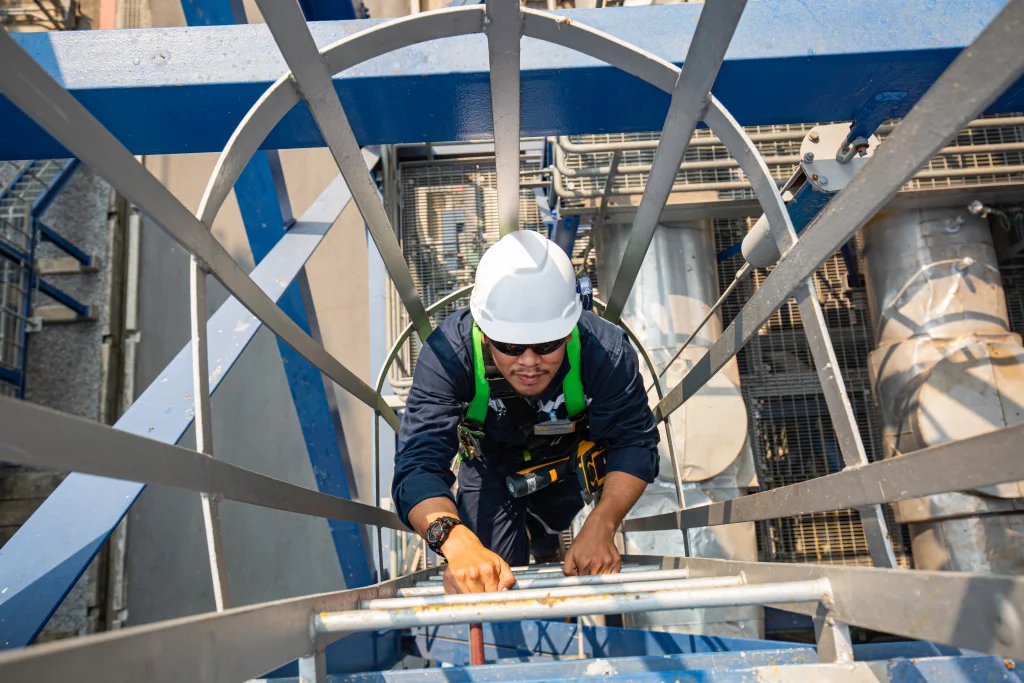
Building a Long-Term Cost-Control Partnership
The developers who consistently deliver projects on budget aren’t just negotiating harder on unit pricing — they’re building relationships with fabricators who understand their portfolio, their typical building types, and their risk tolerance. That familiarity compounds over multiple projects, reducing the learning curve and the associated costs on each subsequent job.
We’ve found that developers who treat their structural steel fabricator as a long-term partner, rather than a transactional vendor selected purely on lowest bid, consistently see better outcomes across schedule, cost, and quality. It’s a shift in mindset, but it’s one that pays for itself many times over across a development portfolio.
Frequently Asked Questions
What is the single most effective way to reduce structural steel fabrication costs?
Engaging your fabricator early in the design process is consistently the highest-impact strategy. Early involvement allows for constructability review, connection standardization, and procurement planning that can’t happen once construction documents are finalized.
How much can standardizing steel connections actually save on a project?
The savings vary by project scope, but standardized connections reduce engineering hours, shop drawing revisions, and fabrication complexity across every affected member — savings that compound significantly on larger multifamily or hospitality projects with repetitive structural bays.
Should developers always choose the lowest fabrication bid?
No. The lowest bid doesn’t account for a fabricator’s certification status, current shop capacity, or bonding strength, all of which directly affect the likelihood of delays or quality issues that end up costing more than the initial savings.
Conclusion
Cost-effective structural steel fabrication isn’t the result of a single negotiation tactic — it’s the outcome of decisions made across the entire project lifecycle, from early design coordination through material procurement, connection standardization, and site logistics. Developers who bring the right fabrication partner into the process early, prequalify rigorously, and plan sequencing with cost efficiency in mind consistently deliver stronger financial outcomes on their commercial projects.
Join our social networks to stay updated with our latest news and events. Don’t miss out on anything and follow our accounts today! Contact us!